Rethinking education.

“True success of education is the happiness of the child.”
-Maria Montessori
“Natural Learning” is…
..following each child’s innate ability and drive to learn. Children naturally learn through play and practice. It is believed that it takes about 1000 repetitions to learn a skill, UNLESS it is done with joy. Then it only takes 12 repetitions!
Playing to learn builds…
Confidence
Problem Solving
Concentration
Communication and Social Skills
Spatial Awareness
All the senses (there are more than five!)

Open-ended play is the foundation for the curriculum, especially for the younger students. Children are born to play and move about within healthy boundaries. It is within this space that children thrive and build essential concepts needed for later focus work and academics. Without allowing the child to pass through this necessary stage of development, the human body will push back and demand its time to reset.
But what is play exactly?
Play can look like many things in our school setting. Generally it is based on loose parts and open ended materials. Offering both small and large opportunities for play fosters whole brain and body development. For example, table top blocks are a classic version of loose parts play. But larger opportunities involve all the muscles and problem solving skills, such as moving a sandbag for building a large obstacle course. Taking risks, such as climbing a tree, builds confidence within the child. Playing with others offers multiple opportunities to practice communication skills, social skills and problem solving skills.
Daily reflections communicate learning
Each day, the children reflect on play, and write their own Journal Reflections to share and take home. Journal Reflections are intended to allow children to communicate the intentions behind play. They also help spark the conversation at home when a parent may ask, “what did you do today?”
Our school also utilizes the Transparent Classroom online app that helps to track learning milestones through a Montessori lense. Parents will be given log-in information upon enrollment.
Parents fear their child won’t learn academics
Overcoming parental fears is normal! Parents often fear their child won’t learn unless they are sitting at a desk and forced to learn to write. A child may learn to write this way, however, why remove the enjoyment of writing? What other creature writes, other than humans? Learning with joy can be a reality.
In addition to joyfulness, a sense of work ethic can only be cultivated through an inner shift the child must learn through practicing choice. It may seem counterintuitive! However, this element of choice aids in building the child’s work ethic. It is why trusting the child is a foundational concept!
Guided learning opportunities with “Invitations to learn”
Invitations to learn are opportunities for the children to explore different academics, ideas, skills, and crafts. These are the guided learning opportunities available each week that expand upon the children’s interests and needs. Children ages 3-9 may choose to participate or opt out without disruptions. Healthy choice options are essential for building work ethic!
Mondays:
Homestead Kitchen is an opportunity to focus on life skills of sustainable living through a homemade lifestyle. Yummy treats, delicious concoctions and aromatic salves are just a few things the children explore and get messy with!

Tuesdays and Thursdays:
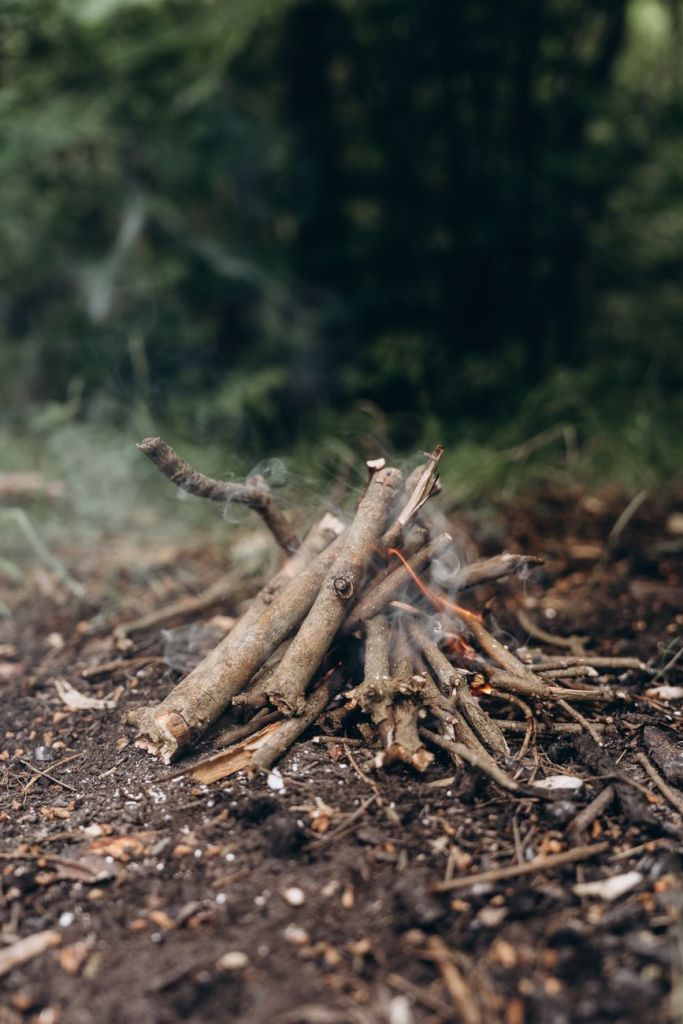
Wilderness Warriors is inspired by the active children that show the drive to learn what it takes to thrive in the wilderness. Each week, the children explore various bushcraft and wilderness skills, such at knot tying, shelter building, water purification and more! Agility exercises support healthy growth and tap into the natural-born warrior!
Wednesdays and Fridays:
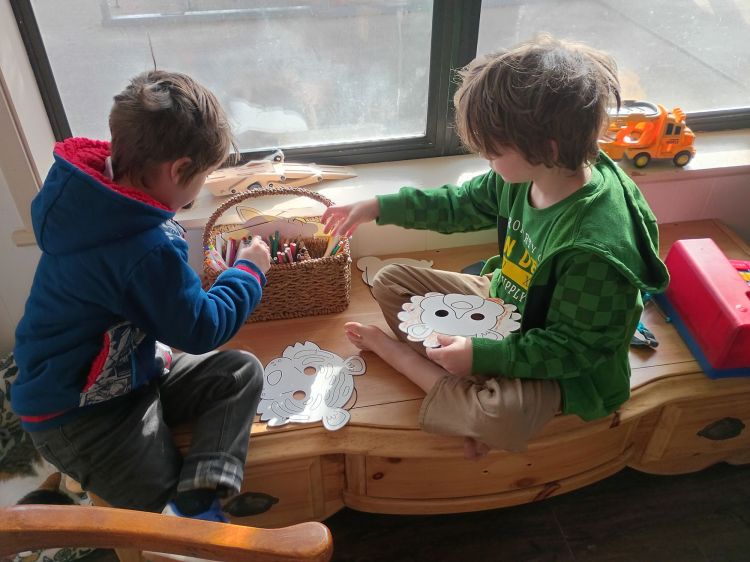
Montessori School Days provide academic opportunities for children. Phonetics, reading, math, and science are a few examples of learning materials and activities available.

The Montessori element…
Embracing the genius of the Montessori method allows the children to learn in a holistic and natural way. Some characteristics of a Montessori school are mixed age groups, uninterrupted blocks of time to learn (known as “work periods“), and lessons built on solid foundations of simplicity and concrete experiences.
A “prepared environment” gives the children access to multiple subjects and levels of learning at all times. I like to think of it as something similar to a chef’s kitchen that is thoughtful, clean, organized and ready for creative use.
Reading
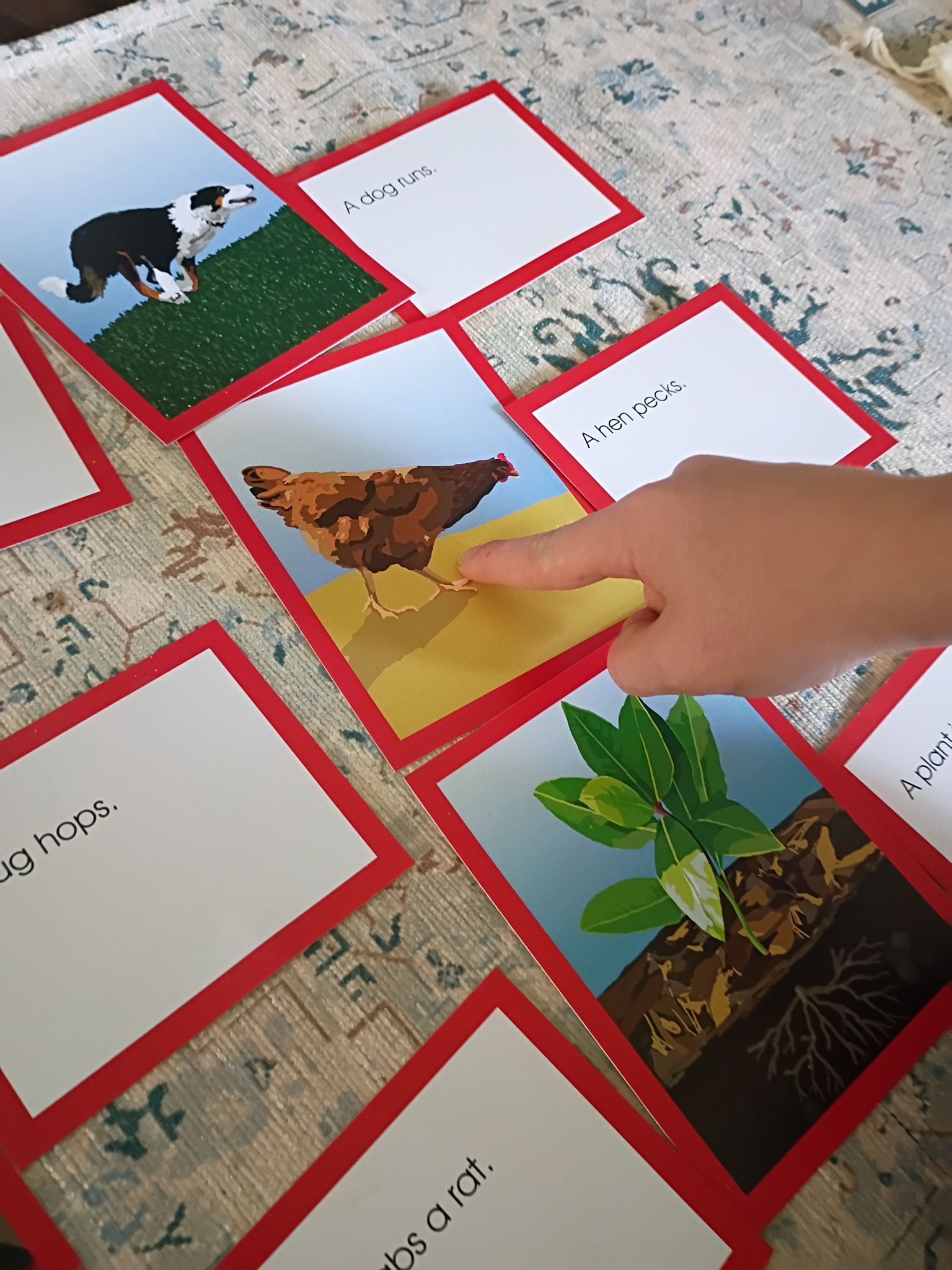
Literacy is gained through phonetic awareness and immersion. Once a child can recognize letters and their sounds, they will move on to building those letters into words, and then reading. Older children build on reading skills with spelling work, writing, and story telling.
Math
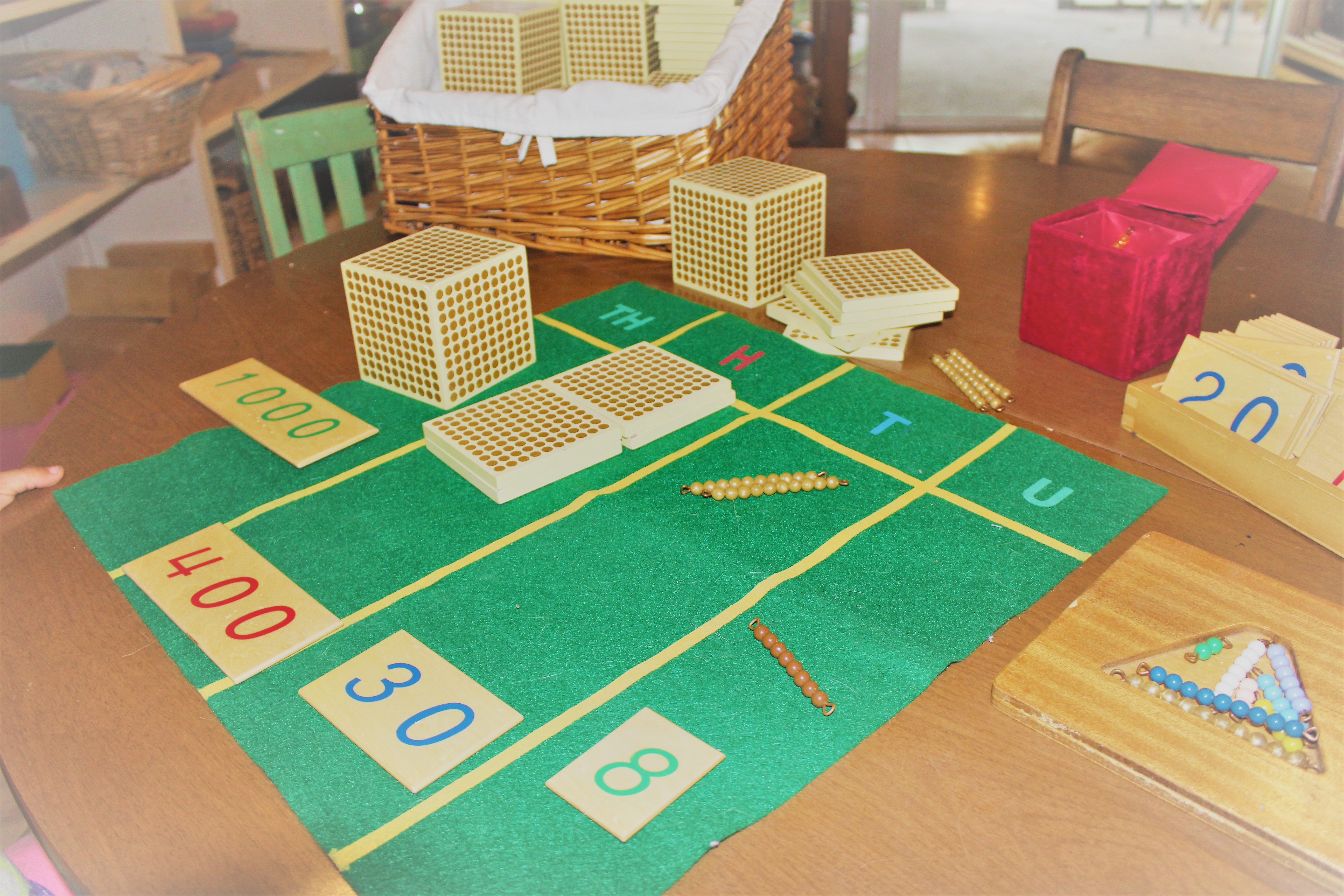
Even though the Montessori approach to math is very methodical, it is not linear. For example, you may see a kindergartener working out multiplication or division problems, while a preschooler is building a 100 Board. Maria Montessori designed math materials that allow children to experience math with a concrete understanding before moving on to abstract concepts.
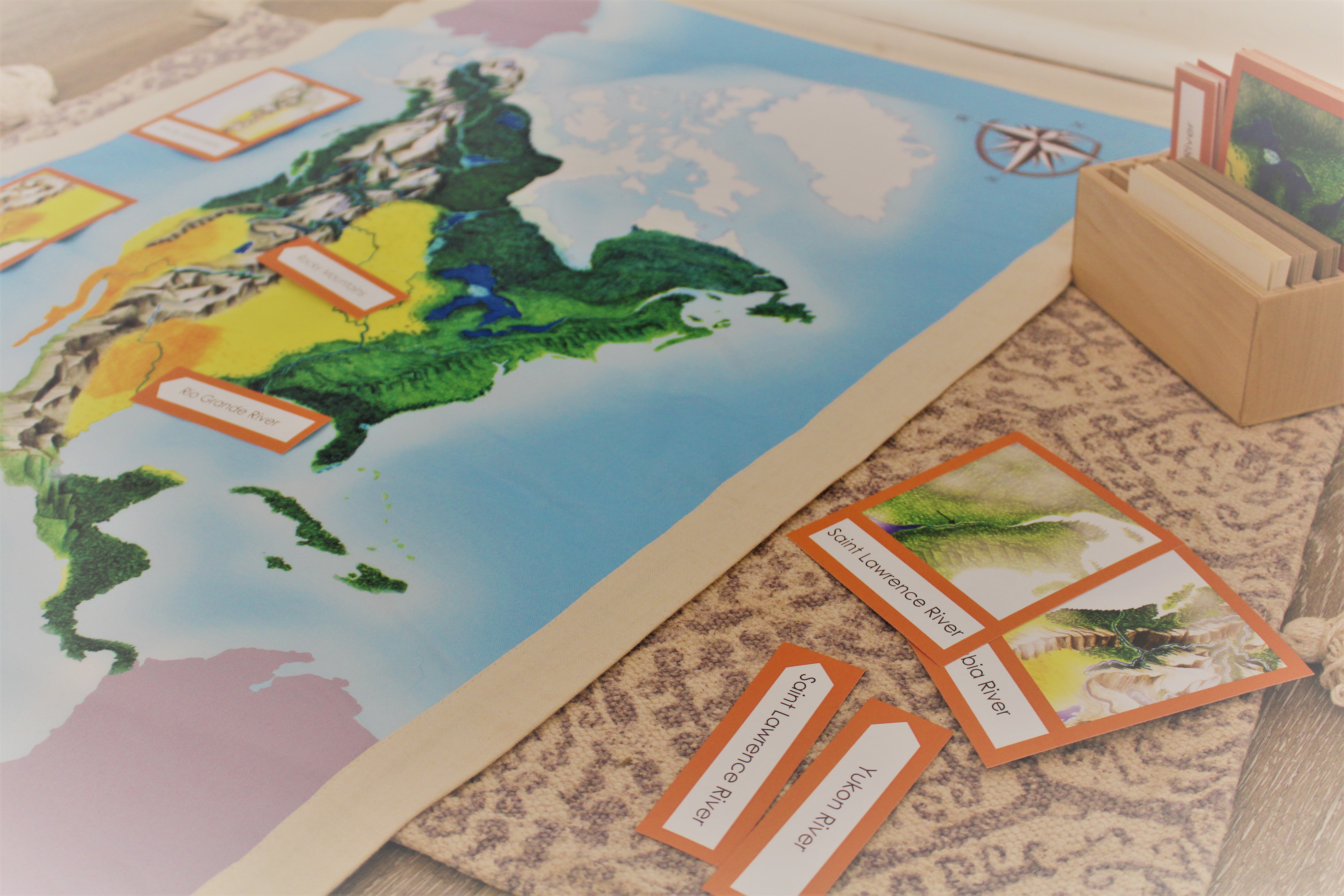
Cultural Studies
Cultural Studies include social studies, science, history, and everything in between! It is the study of the way humans interact with one another, within a place, and through time. For a child, understanding and sorting out the world around them builds confidence.
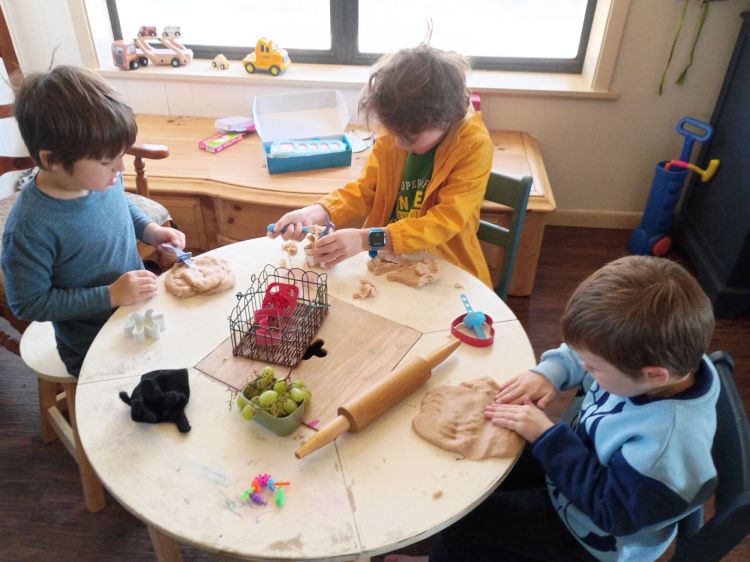
Practical Life Activities
“Care of self,” “care of the environment,” and “grace and courtesy” are the three categories of Practical Life Activities. These activities are designed to build coordination, independence, and respect. Some examples are: pouring water, hand washing, cooking activities, setting a table, cleaning a chair, or walking quietly and balanced through a room. Children also build concentration skills that are necessary for more academic work later in age.

“Each plane must be lived through fully in order to pass with mastery to the next.”
-Maria Montessori
“Trust the child to learn how they were Created to learn: through play and practice.”

Rebekah ~Directress/ Owner
254-314-7333

